
Chautauqua County Criminal Court Records
A Chautauqua County criminal court record is the case-level file kept by the Clerk of the District Court once a criminal case opens. It may include the charging document, court docket, bond activity, arraignment, plea, motions, orders, trial settings, disposition, sentence, restitution, probation notes, warrant activity, and expungement filings. The case file is broader than a charge list and much broader than a booking note.
Kansas District Court is the primary trial court for Chautauqua County criminal matters. The county is in the 14th Judicial District, and the district describes its courts as handling criminal, civil, domestic, juvenile, probate, guardianship, conservatorship, small claims, and other matters. Municipal courts can handle city traffic and minor offenses, so a city ordinance case may not be in the district criminal record unless appealed or otherwise filed there.
The KBI criminal history search page screenshot below is assigned to Chautauqua County criminal court records because it shows the state-level record-check source that is often confused with court case files.
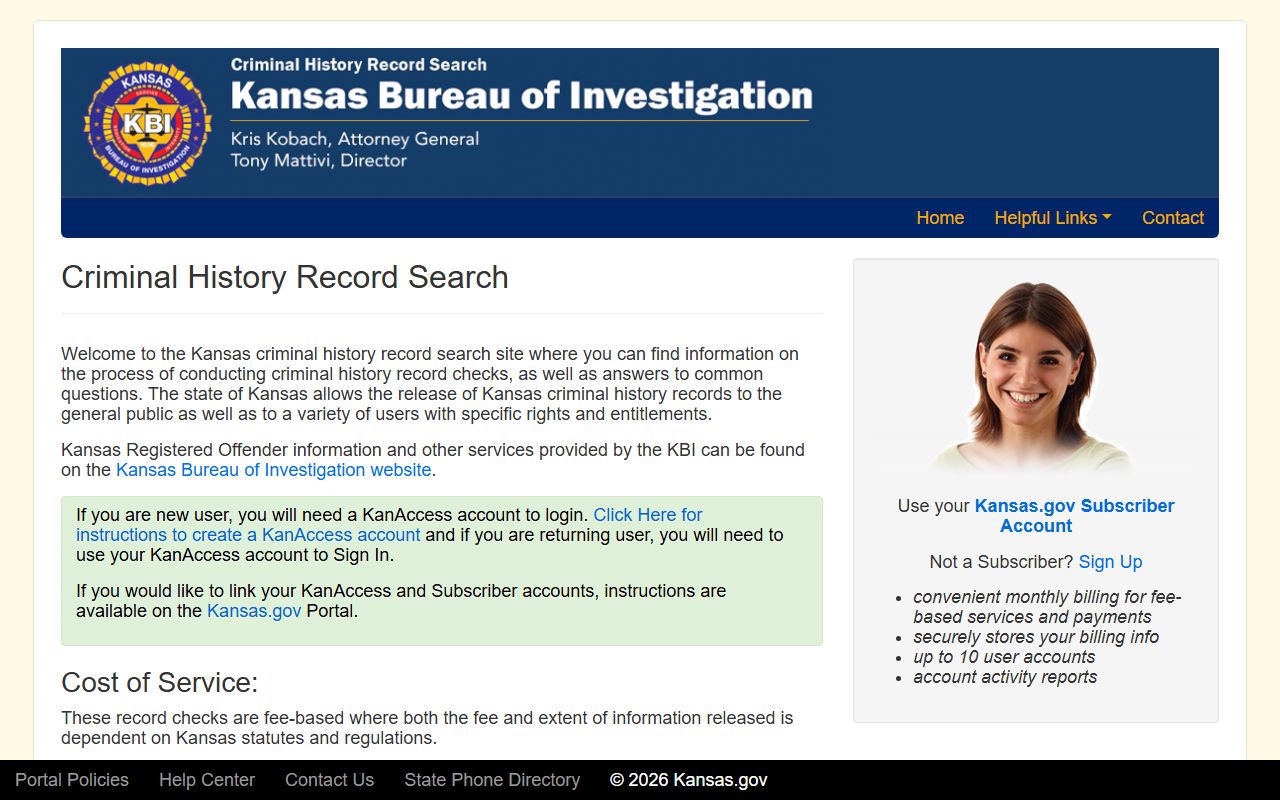
KBI history is useful for a statewide record check, but the court case file remains with the District Court and its clerk access channels.
Search Chautauqua County Criminal Records
Public Chautauqua County criminal court records can be searched through Kansas CaseSearch when the district criminal case is available online. Search by case number when it is known. Defendant name, party name, business name, citation, and role-based criteria may also be available according to official portal snippets.
- Confirm that the matter is a District Court criminal case, not a municipal court traffic or ordinance matter.
- Search CaseSearch by case number from a summons, bond paper, attorney filing, docket notice, or payment notice.
- If no case number is known, search by defendant name and check spelling variants.
- Review the docket for charges, plea entries, motions, hearings, disposition, sentence, and financial orders.
- Use the Sedan public terminal or clerk request form for file images, older records, certified copies, or unclear results.
Criminal docket dates are checked through the 14th Judicial District calendar. The court dockets page says hearing dockets are on the calendar, but calendar entries do not replace full case review. For the charge-only path after an arrest, use the Chautauqua County arrest records and charges page.
Chautauqua County Criminal Case Flow
The criminal case record grows as the case moves through court. A charge can be filed, amended, dismissed, reduced, or resolved by plea or trial. Each major event should be read in sequence because one case may have several counts with different results.
Case flow: Charges Filed › Arraignment › Pretrial / Motions › Plea or Trial › Disposition › Sentencing
| Stage | What Happens |
|---|---|
| Charges filed | The prosecutor files a complaint, information, or other charging paper that starts or frames the criminal case. |
| Arraignment | The defendant is advised of charges and enters an initial plea, often guilty, not guilty, or no contest. |
| Pretrial and motions | Parties file requests, set hearings, address bond, exchange issues, or prepare for plea or trial. |
| Plea or trial | The case resolves by plea, bench or jury trial, dismissal, diversion, or other court action. |
| Disposition | The court records the result of each charge, such as guilty, not guilty, dismissed, diverted, or amended. |
| Sentencing | The court enters jail, prison, probation, fines, fees, costs, restitution, supervision, or other conditions after conviction. |
The 14th Judicial District criminal FAQ is assigned as an image source because it addresses appointed counsel, expungement, and active bench warrant questions tied to criminal case flow.
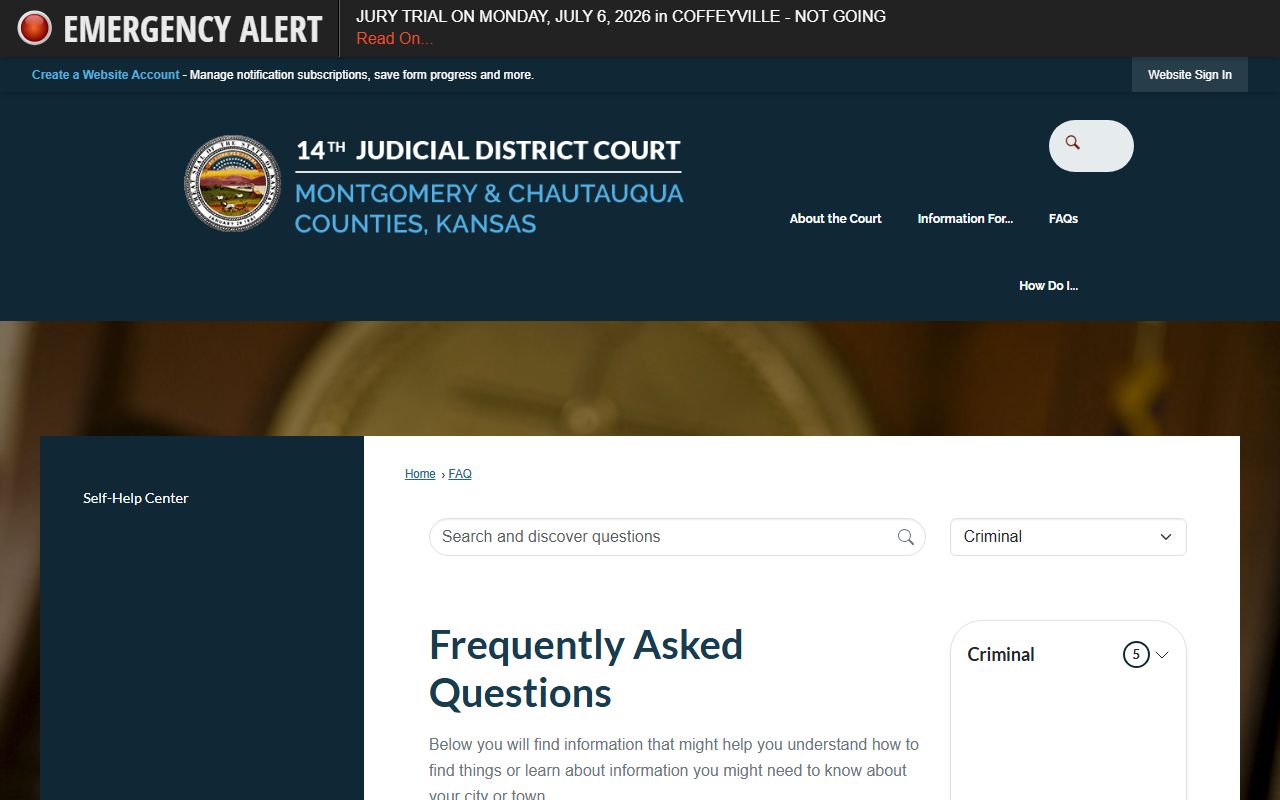
Those FAQ topics often appear in or affect the court record even when the full legal advice must come from an attorney.
What Chautauqua County Criminal Records Show
A criminal case record is a field-by-field record of the court case, not just a conviction report. The record may show charges that were later dismissed, amended, reduced, diverted, or resolved by plea. It may also show bond, warrant, payment, restitution, probation, and expungement activity.
| Field | What It Shows |
|---|---|
| Case number | The court identifier used by CaseSearch, docket notices, payment systems, and clerk staff. |
| Defendant | The person charged in the criminal case, subject to juvenile and sealed-record restrictions. |
| Charges or counts | Each criminal accusation, statute or citation basis, severity level, and later changes where public. |
| Bond and warrants | Appearance conditions, bond entries, bench warrants, warrant returns, or failure-to-appear activity. |
| Plea | Formal response to a charge, such as guilty, not guilty, or no contest. |
| Motions and orders | Requests filed by parties and rulings entered by the judge. |
| Disposition | The result of each charge, such as conviction, dismissal, acquittal, diversion, or amendment. |
| Sentence | Jail, prison, probation, fines, fees, restitution, supervision, or other conditions after conviction. |
| Expungement filing | A request or order that may restrict public access if granted under Kansas law. |
Chautauqua Charges vs Convictions
A charge is an accusation filed in court. A conviction is a final result after a guilty plea, no contest plea accepted by the court, or trial verdict. Chautauqua County criminal court records can show both, so the disposition line must be read before treating a filed charge as the outcome.
| Point | Charge | Conviction |
|---|---|---|
| Case stage | Filed near the start of the case or amended later. | Entered after plea or verdict. |
| Meaning | An allegation that must still be resolved. | A court result showing guilt on that count. |
| Record risk | May remain visible even if later dismissed unless restricted or expunged. | May carry sentence, probation, costs, restitution, or collateral effects. |
| Best field to read | Charging document and count list. | Disposition and sentencing entries. |
Note: One arrest can lead to several charges, and each charge can have a different status or result.
Chautauqua County Criminal Charging
The Chautauqua County contacts directory lists the County Attorney at 218 N Montgomery St, Sedan, KS 67361, phone 620-725-5876, with Christian Fazel as the county contact. The prosecutor reviews law-enforcement reports, files or handles county criminal charges, appears in criminal cases, negotiates plea or diversion issues where appropriate, and participates in warrant or probation matters.
The District Court record begins when charges are filed in court. The sheriff's office may have arrest, incident, custody, or warrant information, but the Clerk of the District Court maintains the court case file. A person who cannot afford counsel in criminal court may ask the court to appoint counsel and must complete an application and financial affidavit. If eligible, the judge appoints counsel, and reimbursement obligations may apply.
Chautauqua County Attorney
218 N Montgomery St
Sedan, KS 67361
620-725-5876
Chautauqua Sealed vs Expunged Records
Sealed and expunged criminal court records are not the same. A sealed record is hidden from ordinary public access because of a statute, court rule, or court order. An expunged Kansas criminal-history event is restricted after the court grants the petition, but some criminal justice, licensing, or statutory uses may remain.
| Point | Sealed | Expunged |
|---|---|---|
| Public view | Hidden from general public access while the seal applies. | Restricted after the court grants expungement relief. |
| How it happens | By statute, court rule, or judicial order. | By petition in the court with jurisdiction over the event. |
| Kansas source | Juvenile, adoption, care, treatment, and protected filings may be restricted. | K.S.A. 21-6614 covers certain convictions, arrest records, and diversion agreements; K.S.A. 22-2410 covers arrest expungement. |
| KBI role | Not the main court sealing process. | After approval, the clerk sends a certified order to KBI for processing. |
The KBI criminal history guidance source is assigned here because it explains state-level record checks, including fingerprint-based self-review options.
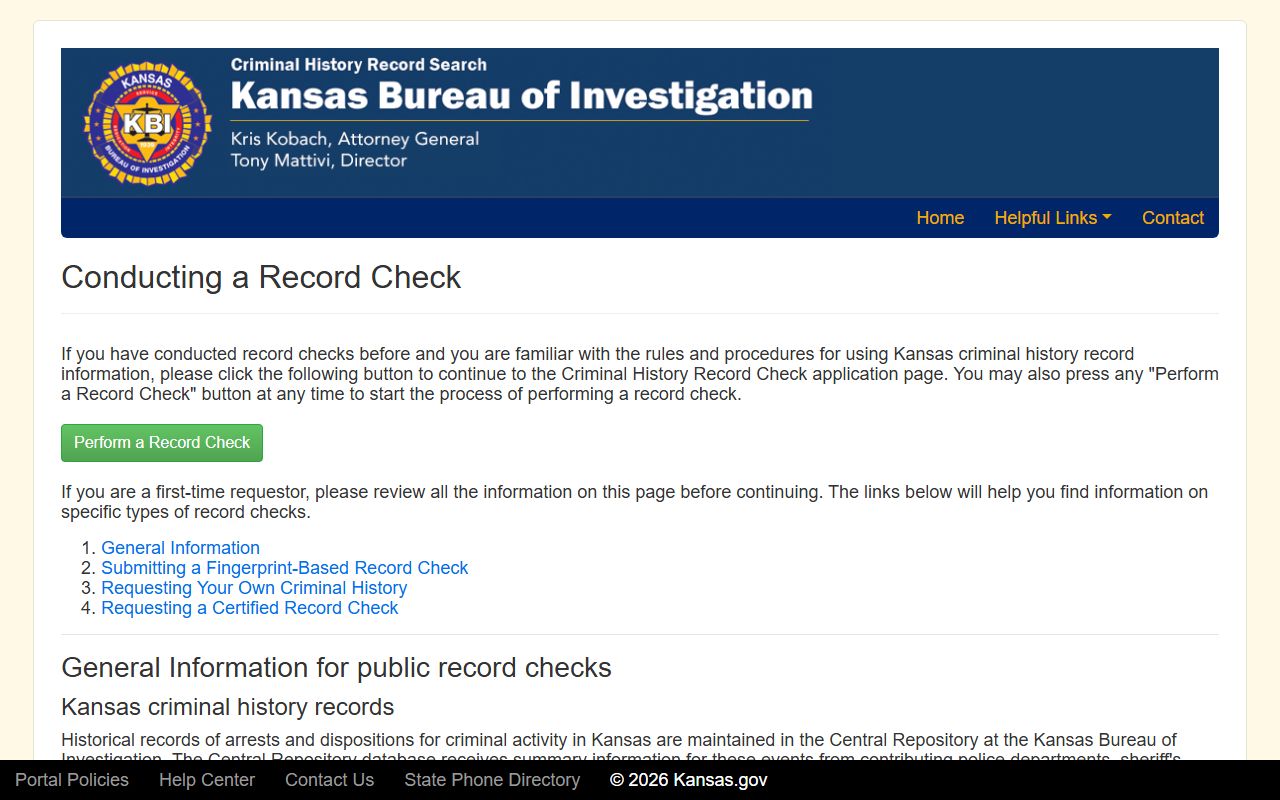
KBI record-check guidance does not replace a court expungement petition, but it helps separate statewide history from the local criminal case file.
Chautauqua Criminal Court Access Rules
Public access to Chautauqua County criminal court records is governed by Kansas court access rules, Kansas open-records laws, and record-specific limits. Kansas Supreme Court Rule 22 and Rule 106B govern public electronic district court record access. Kansas open-records law, including K.S.A. 45-216 through 45-219, supports public access unless another law closes or limits the record.
Restricted criminal court record categories include juvenile matters under K.S.A. 38-2309, sealed cases, expunged events, protected personal information, and some domestic or protection-related filings. Clerks may tell a caller what documents have been filed and the next hearing date if the caller provides a case number and the case is not sealed, but clerks cannot make legal decisions for the caller.
Note: A public criminal docket can still contain redacted fields, sealed filings, or charges with different outcomes.
Restricted Chautauqua Criminal Records
Juvenile criminal matters, sealed criminal cases, expunged arrests or convictions, active investigation details, protected victim information, and personal addresses or phone numbers may be absent from ordinary criminal court record searches. The civil FAQ also says the court is prohibited from releasing personal information such as addresses and telephone numbers, though attorney or law firm contact information may be provided.
The public records request form, Sedan clerk phone line, public terminal, and CaseSearch all operate within those limits. If a person believes an eligible event should be expunged, the 14th Judicial District criminal FAQ points to Kansas Judicial Council forms and recommends legal advice because some convictions cannot be expunged and waiting periods apply.